Course Details 9am-Noon and 1pm-4pm, Friday, October 8, 2010 Harriman Hall, UB South Campus Main St.,
Buffalo, NY
(Enter from BAILEY AVE...take SHERMAN RD onto campus and park in DIEFENDORF LOT...walk to Harriman Hall)
Tuition UB Alumni Member Dentist $95 per 1/2 day course Nonmember Dentist $125 per 1/2 day course Team Member $75per1/2 day course
Discount when registering for both morning and afternoon courses.
ATTENTION UB ENDO ALUMNI...
2nd Biennial Endo Alumni Reunion Dinner Please join us for a reception and three course dinner at Russell's Steaks, Chops & More 6675 Transit Rd, Williamsville, NY
$95 per person / $175 per couple
For many years, endodontists have gathered in different cities during the AAE Meeting to come together to catch up on each other and what has been happening in the UB Dental School. Many have not been back to Buffalo since graduation and have not seen the ‘new’ School and our facilities.
We have planned a great (CDE) meeting followed by a reception and dinner. More details, along with with cost and reservation information will arrive under separate cover.
Tours of the Dental School will be available!
A room block with special University rates has been arranged at Hotel Indigo, located between Maple Rd. and Millersport Hwy in Buffalo, just a short drive form UB South Campus! (Call 716.689.4414, Code: UB Dental, $99/nt)
Please register for the course as soon as you can and RSVP for the reception and dinner...we look forward to seeing you again!
Nerve
Injuries in Dental Practice: What Do I Do Now? Presented by Dr. Roger
A. Meyer
9am-noon,
Friday, October 8, 2010
Injuries
to peripheral branches of the trigeminal nerve are known and accepted
risks of dental practice. Local anesthetic injections, biopsies, and
wisdom tooth removal by the general dental practitioner, as well as
periodontal surgery, dental implants, tumor removal, repair of facial
injuries, and reconstructive, craniomaxillofacial and esthetic
procedures by specialists can result in sensory dysfunction of the mouth
and face. Such sensory aberrations may become permanent in some
patients and result in distressing symptoms which seriously interfere
with normal activities of daily living.
Modification of diagnostic
modalities in treatment planning and in the procedures or operations
themselves may be helpful in reducing the incidence of nerve injuries.
Once an injury has occurred, a standardized method of evaluation (which
can be easily performed by all dentists) and timely treatment (by
specialists) is essential to providing the patient with the best chance
of return of acceptable sensory function.
Microsurgical operations have
become the standard of care for selected patients with peripheral nerve
injuries, not only in the oral and maxillofacial regions, but
throughout the body.
Experience with microneurosurgery, as well as
other methods of nerve injury treatment will be presented. Avoidance of
nerve injuries, where possible, or their timely treatment when they do
occur, will do much to reduce the risk of medicolegal action in your
dental practice.
Guest
Faculty
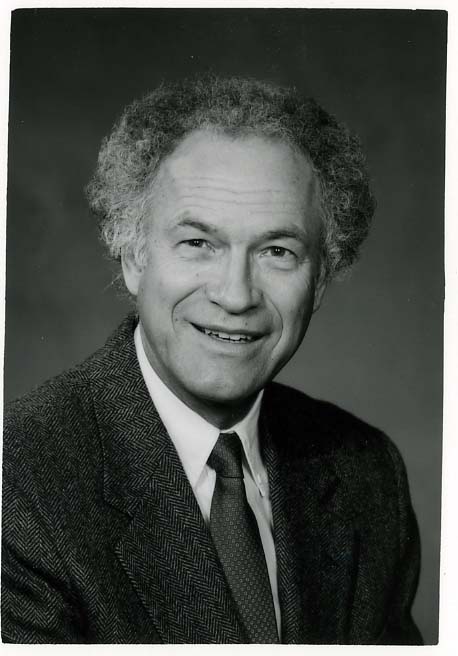
Roger A. Meyer, MD, DDS, FACS, private
practice with Atlanta Oral and Facial Surgery, a consultant in
craniofacial surgery to the Department of Human Resources, State of
Georgia, Clinical Professor of Plastic Surgery at Emory University, and
Chief of Oral & Maxillofacial Surgery at Northside Hospital,
Atlanta.
Revascularization:
Objectives, Indications and
Strategies Presented
by Dr. Todd M. Giesler
1pm~4pm,
Friday, October 8, 2010
Regenerative medicine is a
reality. Just about every area in medicine is attempting to regenerate
functional tissue that has been lost due to disease or trauma. Recent
case
reports from multiple investigators support the feasibility of
developing
biologically-based regenerative endodontic procedures with the ultimate
goal of
restoring a functional pulp-dentin complex. This lecture will
familiarize
participants with the objectives and application of clinical
revascularization/
regenerative endodontic techniques. Specifically, this lecture will
focus on
basic “how-to” steps of the procedure.
Benefits of Attending
The benefit to the
practitioner is to achieve a
level of comfort with revitalization/revascularization procedures such
that the
procedure can be easily incorporated into their arsenal of treatment
options.
Course Objectives
At the conclusion of the
lecture,
participants should be able to define the basic objectives of pulp
revascularization, list the indications for its clinical use and develop
their
own strategy for routinely treating revascularization cases in their
offices.
Finally, participants
should be
comfortable enough with the interface of the Regenerative Endodontics
Database to submit their next revascularization case.
Intended Audience
The main intended audience
is the
endodontist and his/her team however, the concepts and objectives are
important
for the general practitioner to understand. As tissue engineering
matures as a
treatment option, general practitioners will likely recognize the need
to
incorporate these concepts into their practice of general dentistry.
We will discuss at length
the concept of informed consent and how we
approach this with patients and parents.
Guest
Faculty
Dr. Todd M. Geisler, DDS, practice limited to endodontics in
Richfield, Minnesota. Dr. Geisler was a
recipient of a grant from the AAE foundation for his research entitled, Regenerative Endodontics: Growth Factors Control the Phenotype of Human
Dental
Pulp Stem/Progenitor Cells. Dr. Geisler was a co-author of Regeneration
Potential of the Young Permanent Tooth: What Does the Future Hold?
published
in Journal of Endodontics July 2008 supplement. Dr. Geisler was asked to
present a workshop entitled, Endodontic Revascularization Technique at
both
the 2009 and 2010 AAE annual session.